
All cryptocurrencies
LIt can be useful to compare the crypto market cap with the market capitalization of other asset classes to get a perspective of the relative size of the cryptocurrency market https://allaboutfireprotection.net/. However, it’s worth keeping in mind that different asset classes are fundamentally different in terms of liquidity and other important factors, so direct comparisons should be taken with a grain of salt.
If you want to invest in cryptocurrency, you should first do your own research on the cryptocurrency market. There are multiple factors that could influence your decision, including how long you intend to hold cryptocurrency, your risk appetite, financial standing, etc. It’s worth noting that most cryptocurrency investors hold Bitcoin, even if they are also investing in other cryptocurrencies. The reason why most cryptocurrency investors hold some BTC is that Bitcoin enjoys the reputation of being the most secure, stable and decentralized cryptocurrency.
With a blockchain, it’s possible for participants from across the world to verify and agree on the current state of the ledger. Blockchain was invented by Satoshi Nakamoto for the purposes of Bitcoin. Other developers have expanded upon Satoshi Nakamoto’s idea and created new types of blockchains – in fact, blockchains also have several uses outside of cryptocurrencies.
At the time of writing, we estimate that there are more than 2 million pairs being traded, made up of coins, tokens and projects in the global coin market. As mentioned above, we have a due diligence process that we apply to new coins before they are listed. This process controls how many of the cryptocurrencies from the global market are represented on our site.

Are all cryptocurrencies the same
Part of the reason for the surge is the relative ease with which new cryptocurrencies can be created. The source code of one can be used to build another. For example, the Ethereum network could be used to create your own personal digital coins. Sometimes there are “forks” in the software code that change the rules about how a crypto is governed, which can lead to the creation of a new crypto. Bitcoin Cash (BCH -3.94%) was created in 2017 as a result of a Bitcoin fork allowing more transactions to be recorded on a single block of the blockchain.
Next, a genuine cryptocurrency system keeps permanent records of cryptocurrency units and who owns them. In Bitcoin’s case, this is accomplished through a distributed ledger found on multiple computers scattered around the world.
The realm of cryptocurrencies offers far more than just Bitcoin replicas. Each brings its own unique twist on blockchain technology, designed to fulfill different needs. By understanding these differences, you can make informed decisions, exploring this exciting (and sometimes bewildering) world of digital assets. Whether you choose to invest, utilize the technology, or simply learn, remember this: the crypto landscape is constantly evolving, and staying informed will be crucial for navigating this cutting-edge frontier of finance and innovation.
Much of this may not mean anything to you if you only have a cursory knowledge of how cryptocurrencies work. Suffice it to say that not every project marketed as a cryptocurrency project meets all six of the criteria. Libra is a good example.
There are other platforms that do not place a limit on the total number of coins to be issued. Like governments minting fiat, these platforms have the ability to continue creating and distributing coins in perpetuity. Some distribute their coins by selling them, while others give them away in exchange for actual work done in support of the project.
Are all cryptocurrencies mined
No, not all cryptocurrencies are mined. The misconception that all digital currencies are mined likely arises from the popularity of PoW-based cryptocurrencies like Bitcoin and Ethereum (though Ethereum has transitioned to proof-of-stake). While mining plays a significant role in the creation of some cryptocurrencies, others use different mechanisms, such as pre-mining, staking, or airdrops. Below, I will explore the two main types of cryptocurrencies: mined and non-mined.
The comments, opinions, and analyses expressed on Investopedia are for informational purposes only. Read our warranty and liability disclaimer for more info. As of the date this article was written, the author does not own cryptocurrency.
Adam Hayes, Ph.D., CFA, is a financial writer with 15+ years Wall Street experience as a derivatives trader. Besides his extensive derivative trading expertise, Adam is an expert in economics and behavioral finance. Adam received his master’s in economics from The New School for Social Research and his Ph.D. from the University of Wisconsin-Madison in sociology. He is a CFA charterholder as well as holding FINRA Series 7, 55 & 63 licenses. He currently researches and teaches economic sociology and the social studies of finance at the Hebrew University in Jerusalem.
Crypto mining is a process that ensures the security of cryptocurrencies like bitcoin (BTC). It’s the process by which user transactions are verified and added to the blockchain’s public ledger. Mining is one of the critical elements that allows the Bitcoin network to be decentralized, meaning it’s able to work without a central authority.
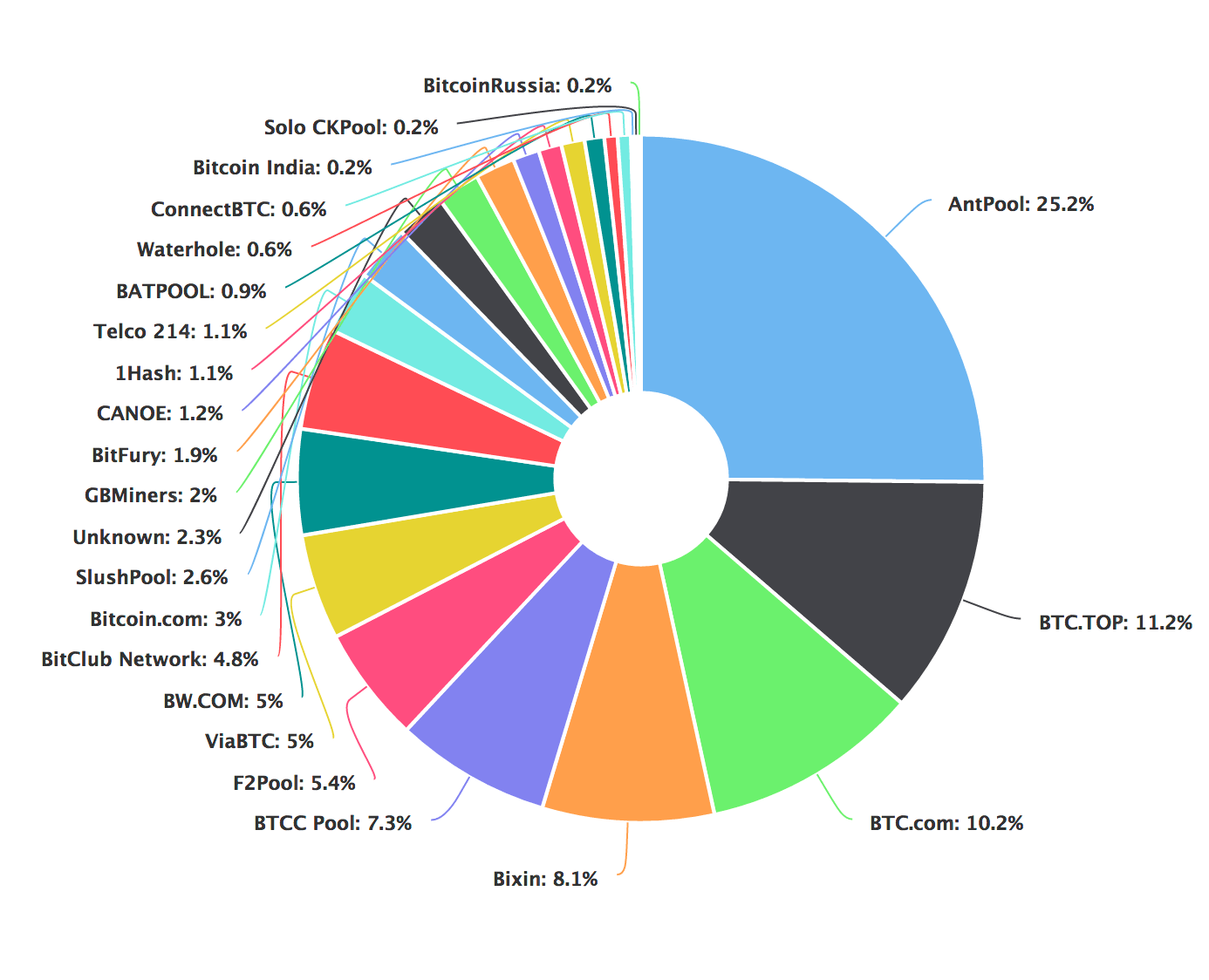
No, not all cryptocurrencies are mined. The misconception that all digital currencies are mined likely arises from the popularity of PoW-based cryptocurrencies like Bitcoin and Ethereum (though Ethereum has transitioned to proof-of-stake). While mining plays a significant role in the creation of some cryptocurrencies, others use different mechanisms, such as pre-mining, staking, or airdrops. Below, I will explore the two main types of cryptocurrencies: mined and non-mined.
The comments, opinions, and analyses expressed on Investopedia are for informational purposes only. Read our warranty and liability disclaimer for more info. As of the date this article was written, the author does not own cryptocurrency.
What are all the cryptocurrencies
In January 2024 the SEC approved 11 exchange traded funds to invest in Bitcoin. There were already a number of Bitcoin ETFs available in other countries, but this change allowed them to be available to retail investors in the United States. This opens the way for a much wider range of investors to be able to add some exposure to cryptocurrency in their portfolios.
Each of our coin data pages has a graph that shows both the current and historic price information for the coin or token. Normally, the graph starts at the launch of the asset, but it is possible to select specific to and from dates to customize the chart to your own needs. These charts and their information are free to visitors of our website. The most experienced and professional traders often choose to use the best crypto API on the market. Our API enables millions of calls to track current prices and to also investigate historic prices and is used by some of the largest crypto exchanges and financial institutions in the world. CoinMarketCap also provides data about the most successful traders for you to monitor. We also provide data about the latest trending cryptos and trending DEX pairs.
The UK’s Financial Conduct Authority estimated there were over 20,000 different cryptocurrencies by the start of 2023, although many of these were no longer traded and would never grow to a significant size.
The total crypto market volume over the last 24 hours is $172.65B, which makes a 34.94% increase. The total volume in DeFi is currently $27.22B, 15.77% of the total crypto market 24-hour volume. The volume of all stable coins is now $161.34B, which is 93.45% of the total crypto market 24-hour volume.
Play-to-earn (P2E) games, also known as GameFi, has emerged as an extremely popular category in the crypto space. It combines non-fungible tokens (NFT), in-game crypto tokens, decentralized finance (DeFi) elements and sometimes even metaverse applications. Players have an opportunity to generate revenue by giving their time (and sometimes capital) and playing these games.